Video Breakdown
Trinity Ens is a video art project that explores the self as a system made of three parts: body, soul, and spirit. This idea comes from research in philosophy, psychology, religion, and metaphysics, combining different perspectives into one visual and conceptual narrative.
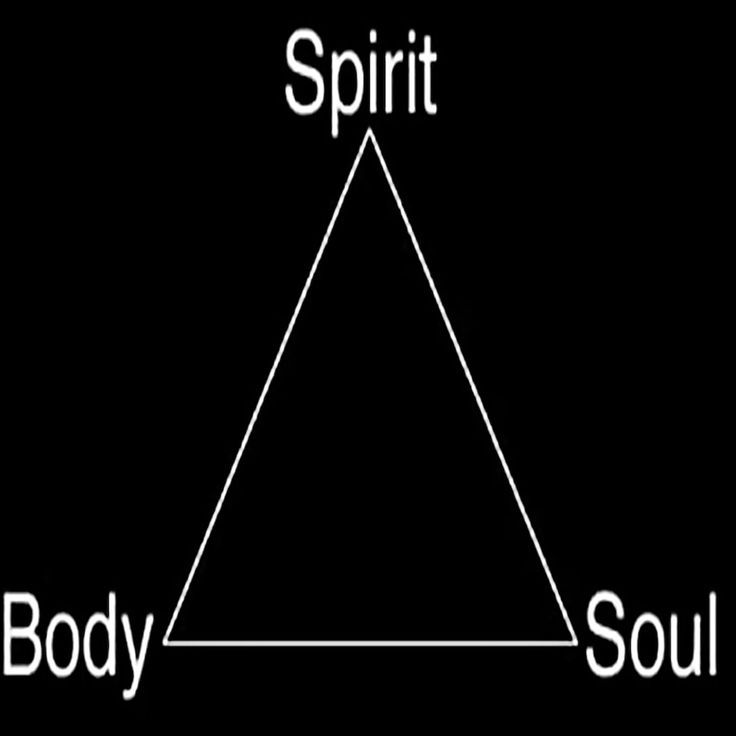
The body functions as the primary interface between the individual and the external world. Through sensory and neurological systems, it enables perception and the construction of reality. In this sense, reality is not accessed directly but interpreted — a subjective representation shaped by the limits and structures of the human organism. This idea is visually introduced in the project through organic imagery such as fluids, cells, and microscopic processes, alongside references like Leonardo da Vinci’s Vitruvian Man, reinforcing the body as the foundation of experience.
The concept of Sthula Sharira (physical body), drawn from Vedanta, further supports this perspective by defining the body as the material layer through which the self engages with the world.
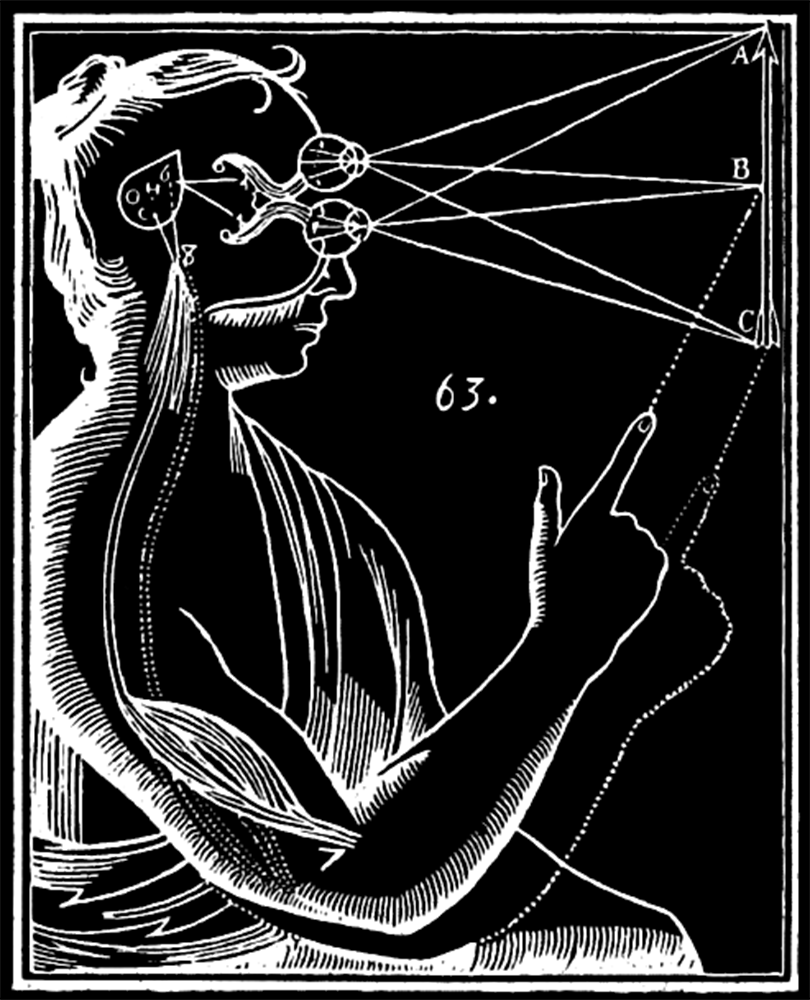
From this physical foundation emerges what the project defines as the “soul”: a reflective layer composed of thoughts, emotions, memories, and meaning-making processes. Influenced by Carl Jung’s analytical psychology, the soul is understood as a system shaped by both conscious and unconscious forces. Jung’s model of the psyche — divided into ego, personal unconscious, and collective unconscious — informs the idea that identity is not fixed but constructed through internal negotiation. This process is reflected in the transition from body to soul within the video, where the body gains intelligence and symbolic structures such as language, numbers, and digital code begin to appear, representing cognition and interpretation.
Alchemy provides a symbolic framework for understanding transformation. Its three core elements — salt, sulfur, and mercury — parallel the structure of body, soul, and spirit. Salt represents the material body, sulfur represents emotion and inner drive, and mercury represents fluid consciousness and change. These symbols are used throughout the video to mark shifts between different states of being.
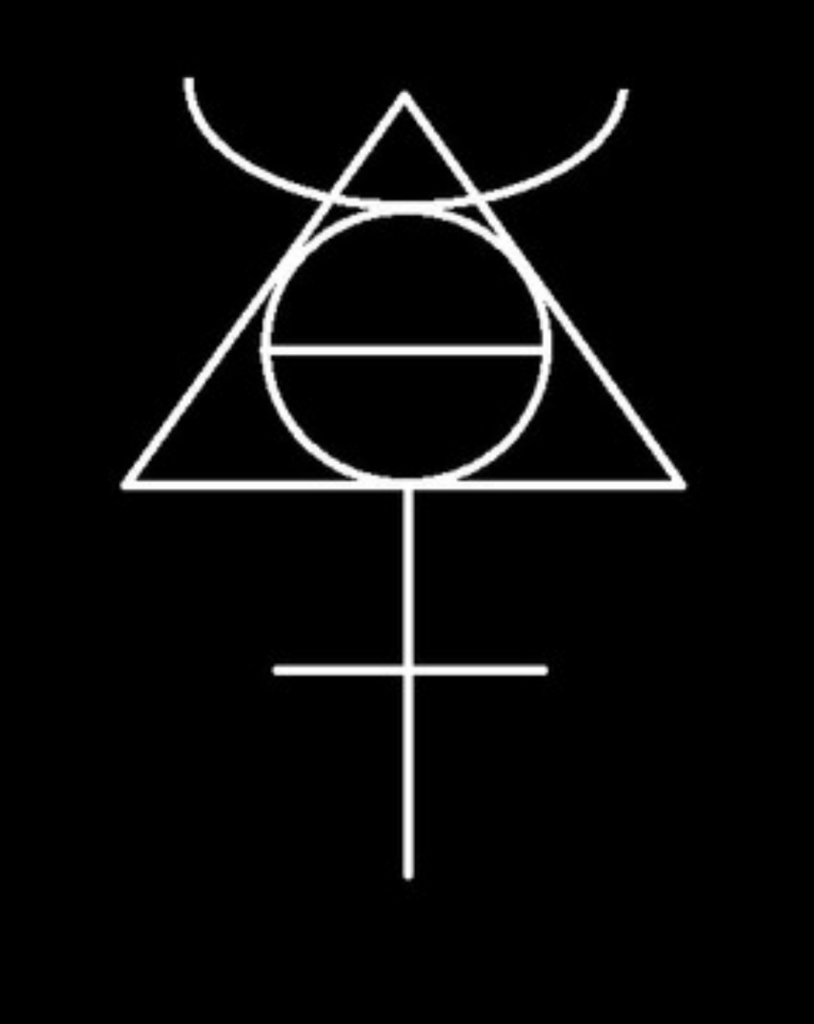
The concept of the monad, introduced by Gottfried Wilhelm Leibniz, is central to the structure of the project. The monad is understood as a simple, indivisible unit of perception — a core self that interprets reality. In Trinity Ens, it represents the essential identity and appears at both the beginning and the end of the video, suggesting a cyclical return to the self after transformation.

Ideas from Hindu Vedanta further develop this layered understanding of the self. The concepts of Sthula Sharira (physical body), Sukshma Sharira (subtle body), and Karana Sharira (causal body) align with the project’s structure, while Atman represents the deeper observing consciousness. This is explored in the Body and the “Enlightenment Game” sequence, where the search for truth becomes an interactive process. The presence of figures such as Vishnu connects this journey to the idea of Purusha, the universal thruth.
Chinese philosophy contributes the concept of Jing, a vital essence associated with growth, energy, and transformation. In the context of the project, Jing represents the force that initiates change and supports the development of the self.

Gnostic thought introduces the idea that reality can be distorted or illusory. The figure of the Demiurge, which appears in the final chapter, represents this false reality — a construct that distances the individual from their true essence. The act of confronting and overcoming this figure symbolizes liberation from limiting patterns and inherited structures.

Throughout the video, visual elements such as water, scars, aging, and human interaction reinforce the idea that identity is shaped through experience. The body records change, the soul interprets it, and the spirit represents a level of awareness that observes and transcends both.
Trinity Ens presents the self as a layered and evolving system. By bringing together different symbolic concepts, the project proposes that understanding the “I” is not a fixed conclusion, but an ongoing process of transformation and rediscovery.